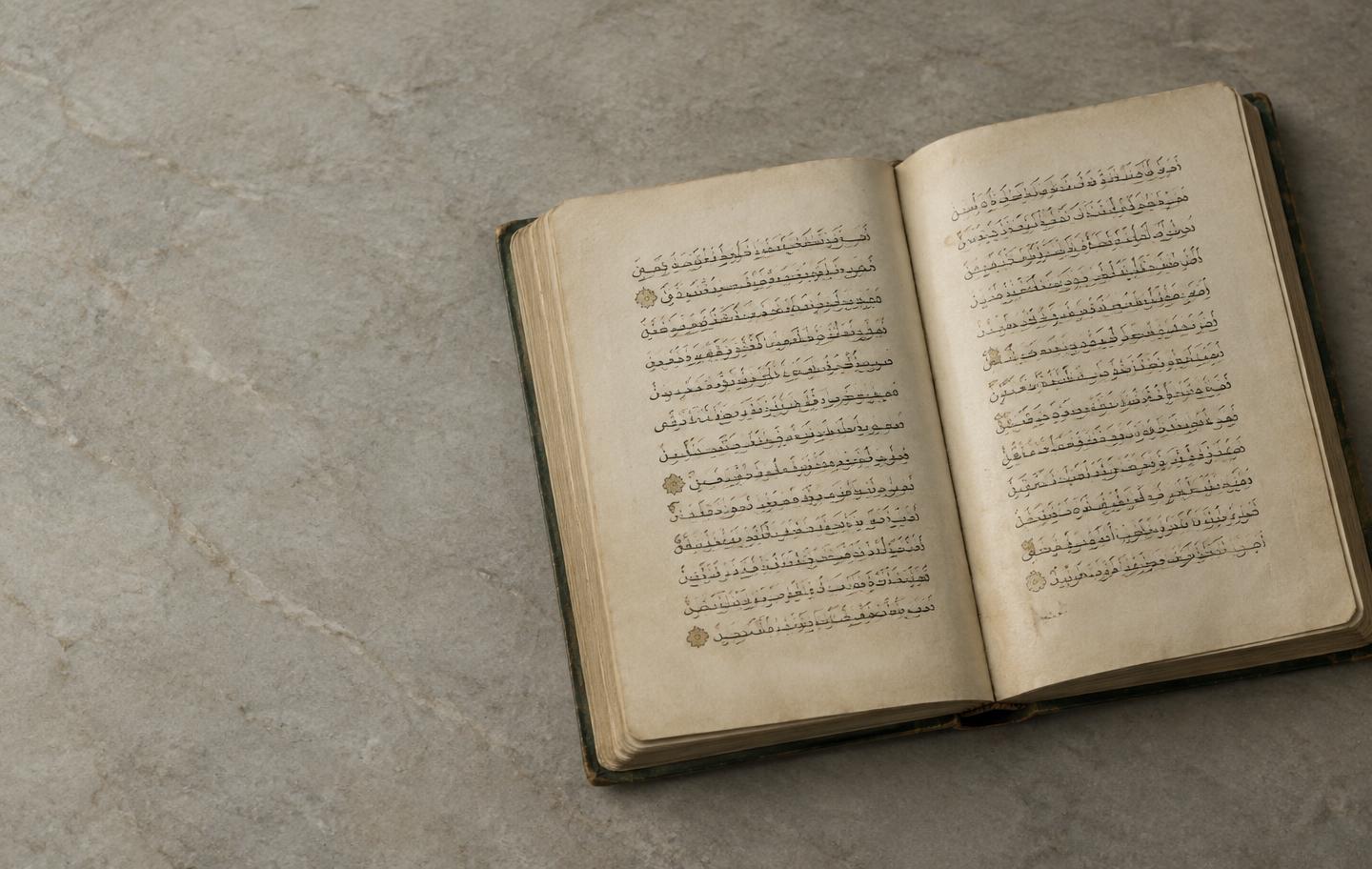
This editorial outline is not verified scholarship and should not be cited. No quotations are attributed to the named scholar.
An introduction to the inquiry
This demonstration article illustrates the reading and reference experience of the library. It is an editorial outline, not verified scholarship, and should not be cited as a religious or historical authority.
The study of Shia intellectual traditions brings together questions of language, transmission, context, and interpretation. A careful inquiry distinguishes the original source from later commentary, and identifies the contributions of scholars, translators, and editors separately.
Texts, context, and interpretation
Research begins by establishing the text under discussion: its language, edition, provenance, and historical setting. Different readings should be evaluated against clearly documented evidence rather than assumed to be interchangeable. The library is designed to preserve these distinctions and make sources easier to follow.
Every claim deserves a traceable source; every source deserves its context.
The sentence above is demonstration editorial copy, not a quotation attributed to an Islamic scholar. Arabic passages, translations, and citations will be supplied and verified by the editorial team in authentic publications.
Directions for further study
Readers can continue through related topics and scholar profiles. In a verified research article, this section would identify the relevant primary texts, explain areas of scholarly disagreement, and provide references to exact editions and passages.
No authentic source citations have been supplied for this demonstration. The reference area is intentionally empty until an administrator adds and verifies them.
References & notes
No verified references have been supplied for this demonstration publication.